What to know about access issues for Colliers Wood rubbish
Posted on 09/10/2026

If you are trying to get rid of rubbish in Colliers Wood, access can matter just as much as the waste itself. Narrow frontages, shared driveways, parking pressure, tight stairwells, and busy local streets can all change how a collection works in real life. And yes, sometimes the hardest part is not the lifting - it is simply getting the team, vehicle, and bins where they need to be without causing a fuss.
This guide explains what to know about access issues for Colliers Wood rubbish in plain English. You will learn why access affects timing, safety, cost, and the type of removal method that makes sense, plus what to check before booking so there are no awkward surprises on the day. Truth be told, a bit of planning here can save a lot of stress later.
For readers who want a broader view of local waste services, it can also help to look at the services overview and the page on rubbish clearance in Colliers Wood before deciding what kind of collection you need.
Why What to know about access issues for Colliers Wood rubbish Matters
Access issues affect almost every part of a rubbish collection. If a team can park close to your property, waste can often be moved quickly and safely. If they cannot, they may need to carry items further, use extra labour, work around neighbours, or reschedule altogether. That can influence the quote, the arrival window, and how smoothly the job goes.
In Colliers Wood, this matters because the local mix of homes, flats, maisonettes, small businesses, and side streets can create very different access conditions from one address to the next. A ground-floor flat with a clear front path is one thing. A top-floor conversion with a narrow stairwell and no nearby stopping point is another story entirely.
Why does this deserve so much attention? Because rubbish removal is usually easiest when the access details are honest and complete from the start. If you understate the distance from road to property, or forget to mention steps, locked gates, restricted hours, or permit-only parking, the collection may still happen - but it may take longer, cost more, or need a different vehicle. Nobody likes that little moment when everyone arrives and then realises the wheelie bins are two flights of stairs away. Happens more often than people think.
A good provider will usually want to know:
- how close they can park to the waste
- whether there are steps, steep paths, or narrow corridors
- if items must be carried through a building or shared entrance
- whether large items can be removed without damaging walls, banisters, or doors
- if access is limited by time, neighbours, security, or parking restrictions
That information does more than speed things up. It helps shape the safest method for the job.
How What to know about access issues for Colliers Wood rubbish Works
Access issues are usually assessed in one of three ways: before booking, on arrival, or both. For some jobs, a few photos are enough. For others, especially bulky waste or full property clearances, a provider may ask for a more detailed description, a video walk-through, or a quick phone assessment.
Here is how the process normally plays out:
- You describe the job. This includes what needs removing and where it is located. If the waste is in a loft, basement, rear garden, or upper floor, say so early.
- You explain access. Mention parking, gates, entry codes, lifts, staircases, alleyways, and whether a van can stop close by.
- A plan is matched to the access. The team decides whether they can complete the job with one vehicle, need extra manpower, or need a different approach.
- The quote is adjusted if needed. Not every job changes in price, but difficult access can affect labour time and loading effort.
- The team arrives with the right setup. If the access was described well, the collection should be much smoother and less rushed.
In practical terms, access affects the "last ten metres" more than the actual rubbish itself. That last stretch - from door to van - is where most delays, awkward lifts, and minor complications happen. One tight bend in a hallway, one parked car blocking a kerb, one awkward gate latch, and the whole pace changes.
For households dealing with mixed waste, it can also be useful to compare a general collection with specific services such as waste removal in Colliers Wood or junk removal in Colliers Wood, depending on how much sorting and handling is involved.
Key Benefits and Practical Advantages
Getting access details right may sound like a small admin task, but it has real benefits. The biggest one is fewer surprises. The second is better value. The third is safety, which tends to be the bit people only think about after something nearly gets knocked over.
Here is what good access planning can improve:
- Faster collection: The team spends less time navigating the property and more time removing the waste.
- More accurate pricing: Clear access means the quote is more likely to reflect the true job.
- Lower risk of damage: Walls, flooring, gates, and furniture are less likely to be scuffed or bumped.
- Better safety: Heavy lifting is managed more carefully when the route is known in advance.
- Less disruption to neighbours: Quick, organised collections are simply easier on everyone nearby.
There is also a quieter benefit: peace of mind. If you know the route is clear and the provider knows exactly what they are facing, you can stop worrying about whether the job will turn into a small drama. Let's face it, nobody wants to negotiate a sofa down a hallway while apologising to half the building.
Access planning can also help you decide between services. If the waste is easy to reach and already bagged, a straightforward collection may be enough. If the items are bulky, upstairs, or behind multiple barriers, something more targeted - such as furniture disposal in Colliers Wood or house clearance in Colliers Wood - may make better sense.
Who This Is For and When It Makes Sense
This topic matters to more people than you might expect. If you live in a flat, manage a rental, run a small business, or are clearing out a property after a move or renovation, access is often the thing that decides how easy the job will be.
It is especially relevant for:
- Flat owners and tenants with stairs, shared hallways, or entry systems
- Homeowners with side returns, rear gardens, garages, or lofts
- Landlords and letting agents organising end-of-tenancy clearances
- Local shops and offices with loading restrictions or customer access to manage
- Builders and tradespeople dealing with rubble, packaging, and project waste
If you are clearing a garden, access can be trickier than expected. A pile of hedge trimmings at the far end of a narrow plot may be easy to underestimate from the street. The same applies to lofts, where the waste is not huge in volume but can be awkward to carry. A few broken wardrobes can suddenly feel a lot heavier when they have to be brought down a tight staircase in the rain. London weather, naturally, likes to make its own point.
This is where specialist services can help. For example, jobs involving outdoor waste may fit garden waste removal in Colliers Wood, while construction-related material may be better matched to builders waste clearance in Colliers Wood.
Step-by-Step Guidance
If you want a collection to run smoothly, the best approach is simple: check the access first, then book the right service, then prepare the route. A little dull, maybe. Very effective, though.
- Walk the route from the waste to the street. Notice steps, tight turns, locked doors, low ceilings, muddy paths, and anything that could slow down carrying.
- Measure the obvious pinch points. Doorways, stair widths, and gate openings matter more than most people realise, especially for bulky items.
- Check where a vehicle can stop. Is there space outside? A permit zone? A narrow lane? Temporary loading restrictions? These details matter a lot.
- List the heaviest or most awkward items. Sofas, mattresses, fridges, and office furniture often need more space and care than general bags of waste.
- Tell the provider about any barriers. Intercoms, security codes, concierge rules, residents-only parking, or time-restricted access should be mentioned early.
- Prepare the area in advance. Clear a path, unlock gates, and move small obstacles like plant pots, bikes, or boxes out of the way.
- Be realistic about timing. Access issues can add minutes. Sometimes a lot of minutes. Building in a little slack helps.
A useful habit is to describe access as if you were guiding someone through the property for the first time. If a friend could not find the waste without instructions, a collection crew may need those instructions too. Simple, but it works.
Expert Tips for Better Results
Experienced crews usually notice the same patterns again and again: the jobs that go best are not always the smallest jobs, but the best-described ones. Clear access notes beat vague optimism every time.
Here are a few practical tips that genuinely help:
- Send photos before the booking is confirmed. A quick image of the route, stairs, gate, or parking spot can prevent misunderstandings.
- Separate what can be lifted easily from what cannot. Bags near the exit, loose items out of the way, and stacked bulky waste all make a difference.
- Check if the van can reverse or load close by. That one detail can change the whole plan.
- Keep access codes and keys ready. No one enjoys a dead pause at the front door while everyone fumbles for a fob.
- Ask about carried distance. Some quotes assume the waste is close to the vehicle. If it is not, say so.
- Choose the right service type for the waste volume. For example, smaller loads may suit rubbish collection in Colliers Wood, while larger, mixed loads may fit a more complete clearance.
One small but important tip: if your waste is in the back garden, take a second to think about the route, not just the destination. Is there a tight side passage? A low wall? A patio that gets slippery in damp weather? These are the sorts of details that feel minor until someone is carrying a heavy item through them.
And yes, sometimes the best plan is the boring one - clear the path, open the gate, keep the car moved, and let the crew work. Boring is underrated.

Common Mistakes to Avoid
Most access problems are avoidable. The trouble is that people often assume "it should be fine" right up until it is not. Here are the mistakes that cause the most friction.
- Forgetting about parking restrictions. A van may need to stop very close to the property, so permit rules and loading bays matter.
- Leaving access details until the last minute. This can lead to rushed adjustments or extra charges.
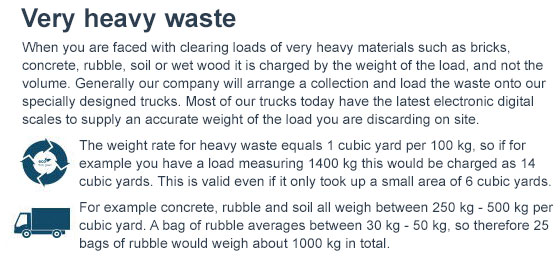
- Underestimating the weight or size of items. A few pieces of furniture can be far harder to remove than a pile of bags.
- Not mentioning stairs or lifts. Even one flight can change the handling plan.
- Blocking the route on the day. Bikes, bins, prams, and plant pots are classic culprits.
- Assuming every crew works the same way. Different providers have different methods, vehicle sizes, and labour setups.
Another common issue is mixing waste types without saying so. General household rubbish, old furniture, and builders' debris can all need slightly different handling. If the access is awkward as well, a mixed load may need more planning than expected. The combination is what catches people out, not just one factor on its own.
Tools, Resources and Recommendations
You do not need fancy equipment to solve most access issues, but a few simple tools help more than you might think.
- Phone camera: Take photos of stairs, gates, parking spots, and the waste itself.
- Measuring tape: Useful for doorways, corridors, and larger items.
- Notepad or notes app: Write down entry codes, parking restrictions, and any time windows.
- Torches or phone lights: Handy for lofts, basements, and dim hallways.
- Labels or tape: Helps separate what is going and what is staying, especially during clear-outs.
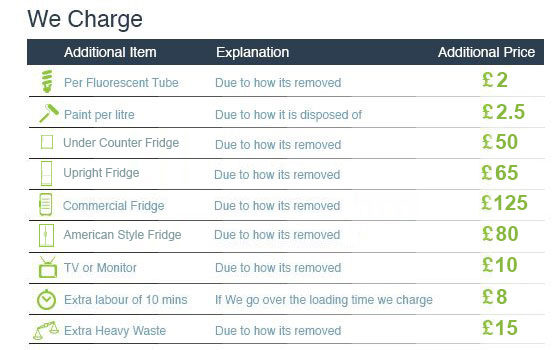
For service planning, it may also help to review the provider's information on pricing, safety, and sustainability. The pages on pricing and quotes, insurance and safety, and recycling and sustainability can give you a better sense of what to expect before you book.
If you are comparing service levels, that often helps you decide whether a straightforward pickup is enough or whether you need a fuller clearance. Sometimes the answer is obvious. Sometimes, not so much.
Law, Compliance, Standards, and Best Practice
When access is involved, the main compliance concerns are usually safety, neighbour consideration, and responsible waste handling. In the UK, waste must be collected and disposed of properly, and reputable operators should be able to explain how they manage that side of the job. You do not need to become an expert, but it is sensible to ask clear questions.
Best practice usually includes:
- Safe lifting and carrying: Heavy or awkward items should be handled with care and the right manpower.
- Clear communication: Access limitations should be discussed before arrival, not discovered halfway through the job.
- Property care: Floors, walls, communal areas, and shared entrances should be treated respectfully.
- Responsible disposal: Waste should be sorted and taken away in line with good environmental practice.
- Insurance awareness: It is sensible to understand how a provider approaches accidental damage or site safety.
If a property has shared access, like a block entrance or communal stairwell, courtesy matters too. Keep noise down, avoid blocking the route for neighbours, and be considerate with timings. It sounds obvious, but on a busy street near Colliers Wood station, a small bit of care goes a long way.
For readers who want to understand a company's approach to responsible operations more broadly, the pages on about us and modern slavery statement can help build confidence in the organisation behind the service. If accessibility matters to you personally, the accessibility statement is also worth reviewing.
Options, Methods, or Comparison Table
Different access situations call for different approaches. The right method depends on how much waste you have, where it sits, and how easy it is to get to the vehicle. Here is a simple comparison to make that clearer.
| Option | Best for | Access impact | Typical advantage |
|---|---|---|---|
| Bagged rubbish collection | Smaller, lighter household waste | Low to moderate | Quick and simple if the route is clear |
| Bulky item removal | Furniture, mattresses, awkward single items | Moderate | Good for items too large for normal bins |
| House clearance | Multiple rooms, full properties, mixed contents | High | Better when access and volume both need planning |
| Builders waste clearance | Renovation debris, rubble, mixed site waste | Moderate to high | Useful for project-based loading and sorting |
| Skip hire | Longer projects with space for a container | Depends on parking and placement | Handy if you want to load at your own pace |
If access is tight, skip hire is not always the easiest answer. In some streets, a skip just creates a different problem - placement, permits, and neighbour concerns. In others, it is ideal. That is why a quick assessment of the site is so useful before anyone commits.
For a fuller comparison of service types, you may also find skip hire in Colliers Wood and office clearance in Colliers Wood helpful, especially for commercial or longer-term clear-outs.
Case Study or Real-World Example
Here is a realistic example. A resident in Colliers Wood needs to clear an old wardrobe, a chest of drawers, and several bags of unwanted household items from a first-floor flat. The staircase is narrow, the building has a shared entrance, and parking outside is limited during school-run hours.
On the face of it, the job looks small. But the access changes everything.
Instead of assuming a quick lift-and-go, the resident sends photos of the stairwell, the front entrance, and the parking area. They also mention that the wardrobe is in two pieces and that there is a coded front door. The provider can then plan the collection with the route in mind, choose the right time slot, and bring enough help to carry the wardrobe safely down the stairs.
The result is calmer all round. No one is trying to make a giant wardrobe turn a corner it clearly does not want to turn. No one is guessing at a door code while standing in the rain. And the whole job finishes faster than it would have with poor planning.
That is the real lesson. Access issues are not just a technical detail. They shape the whole experience. In local clearances, especially around busier pockets of Colliers Wood, a few honest details up front usually save more time than any amount of last-minute improvising.
Practical Checklist
Use this checklist before booking rubbish removal in Colliers Wood. It is simple, but it catches most problems.
- Have I described exactly what needs removing?
- Have I said where the waste is located in the property?
- Have I checked whether there are stairs, lifts, or long carrying distances?
- Do I know where a van can stop legally and safely?
- Have I mentioned gates, entry codes, or security systems?
- Have I identified any bulky or heavy items?
- Have I cleared the route from the waste to the exit?
- Have I taken photos if access looks unusual or tight?
- Have I checked whether the provider may need extra time or labour?
- Am I clear on the service type that best fits the job?
If you can tick most of those off, you are already ahead of the game. Honestly, that is where a lot of collections become easy instead of messy.
It may also help to review how to avoid hidden rubbish removal fees in Colliers Wood so you can spot the kind of access details that matter before confirming a booking.
Get a free quote today and see how much you can save.
Conclusion
What to know about access issues for Colliers Wood rubbish comes down to one simple truth: the easier the route, the smoother the collection. Parking, stairways, gates, and carrying distance all affect how a job is planned and how comfortably it is completed. When those details are shared early, you get better pricing clarity, fewer delays, and a safer experience overall.
If you are dealing with rubbish in a flat, a shared building, a garden, or a busy street, do not wait until the van arrives to think about access. Walk the route first, note the tricky points, and pass them on clearly. That small bit of preparation can make the whole thing feel manageable. And sometimes, that is the difference between a stressful day and a straightforward one.
In a place like Colliers Wood, where every property seems to have its own little access puzzle, a calm plan is worth its weight in gold. Or, to put it less formally, it just makes life easier.


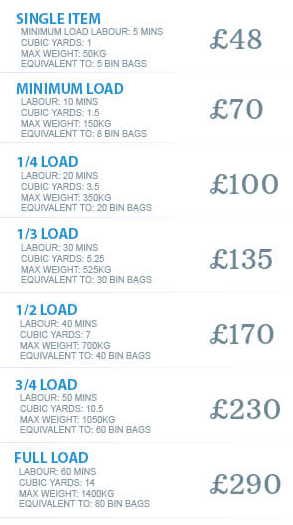
 Tipper Van - Rubbish Removal and Loft Clearance Prices in Colliers Wood, SW19
 Luton Van - Rubbish Removal and Loft Clearance Prices in Colliers Wood, SW19